Don't Build Your Product (Yet!)
A strategic reminder from Ash Maurya and the LeanStack team emphasises a critical principle in venture development: validation should precede product development wherever possible.
The Validation Imperative
Building business fundamentals takes time, particularly in the innovation space. Finding Problem-Solution Fit and Product-Market Fit is a drawn-out validation process that requires patience and disciplined testing.
The strategic advantage comes from carrying out this validation without building a product or coding for as long as possible. This cost-effectiveness compounds over time, as product requirements inevitably shift when trying to find the right customer segment that purchases sufficient solution volume to trigger growth.
Customer Segment Focus
Not all customer types are equal in this regard. You must identify and double down on the right customer segment—the segment that not only needs your solution but has the willingness and ability to pay for it at scale.
Finding this segment requires systematic testing and iteration. Each failed hypothesis provides valuable data that refines your understanding of market needs and reduces the risk of building for the wrong audience.
Prototyping as Validation Tool
Prototypes serve as powerful validation tools that allow you to test assumptions without full product development. From paper prototypes to interactive mockups, these tools enable customer feedback loops that inform product direction before significant resource commitment.
The distinction between prototypes and MVPs is crucial: prototypes test assumptions and validate needs, whilst MVPs deliver actual value to early customers. Understanding when to use each approach maximises learning while minimising waste.
Capital Efficiency and Runway Extension
In capital-constrained environments, extending runway through efficient validation practices becomes a competitive advantage. Each month of validation without product development preserves capital for when product-market fit has been established and scaling becomes the priority.
The most successful ventures are those that resist the temptation to build prematurely, instead investing time in deep customer understanding and assumption validation. This discipline separates well-capitalised failures from capital-efficient successes.
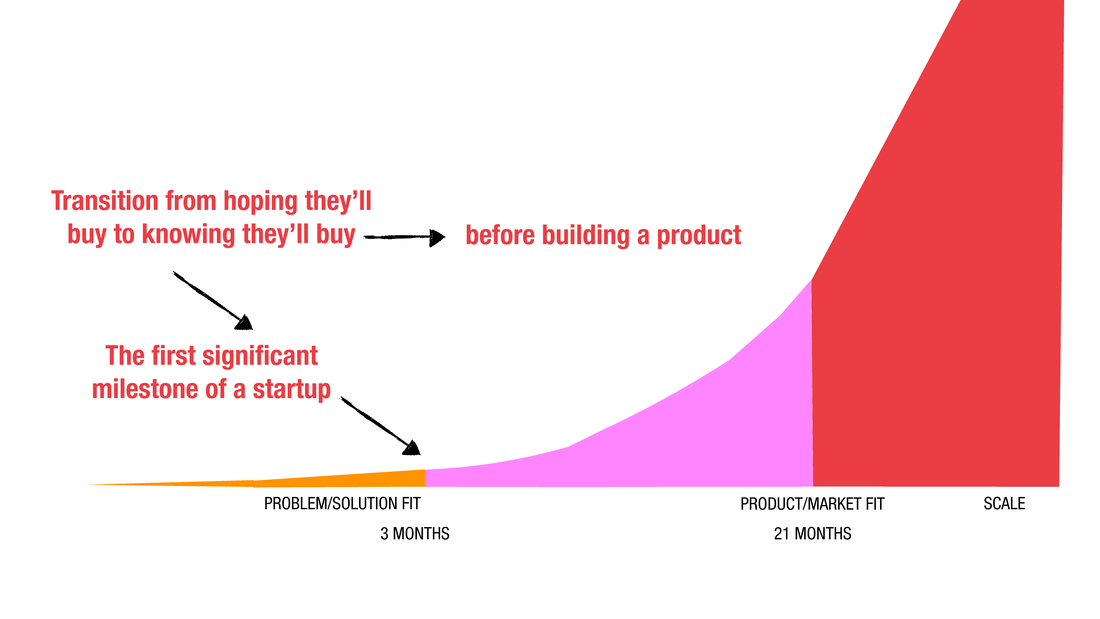
The Lean Validation Ramp
Pre-Product Validation
Validate your market assumptions and achieve problem-solution fit without committing development resources to premature product builds.
Request Validation Framework