Prototypes Vs MVPs
We have all heard from entrepreneurs, stakeholders, and literature such as The Lean Startup about the need of the Minimum Viable Product (MVP). However, understanding the distinction between prototypes and MVPs is critical for efficient resource allocation and risk management.
Defining the MVP
For MVPs, we only develop specific functionalities that a customer segment perceives as valuable. These features represent the broad base of what your customer segment would be willing to pay for, stripping back all excess to focus on core value delivery.
The challenge lies in determining this minimal set-list. This requires deep customer understanding and validation of assumptions before committing development resources.
The Role of Rapid Prototyping
This is where rapid prototyping becomes essential. Low-code or no-code solutions test the overall premise of your proposition with the target customer segment while remaining cost-effective. These prototypes can be developed quickly, modified based on feedback, and discarded without significant sunk costs.
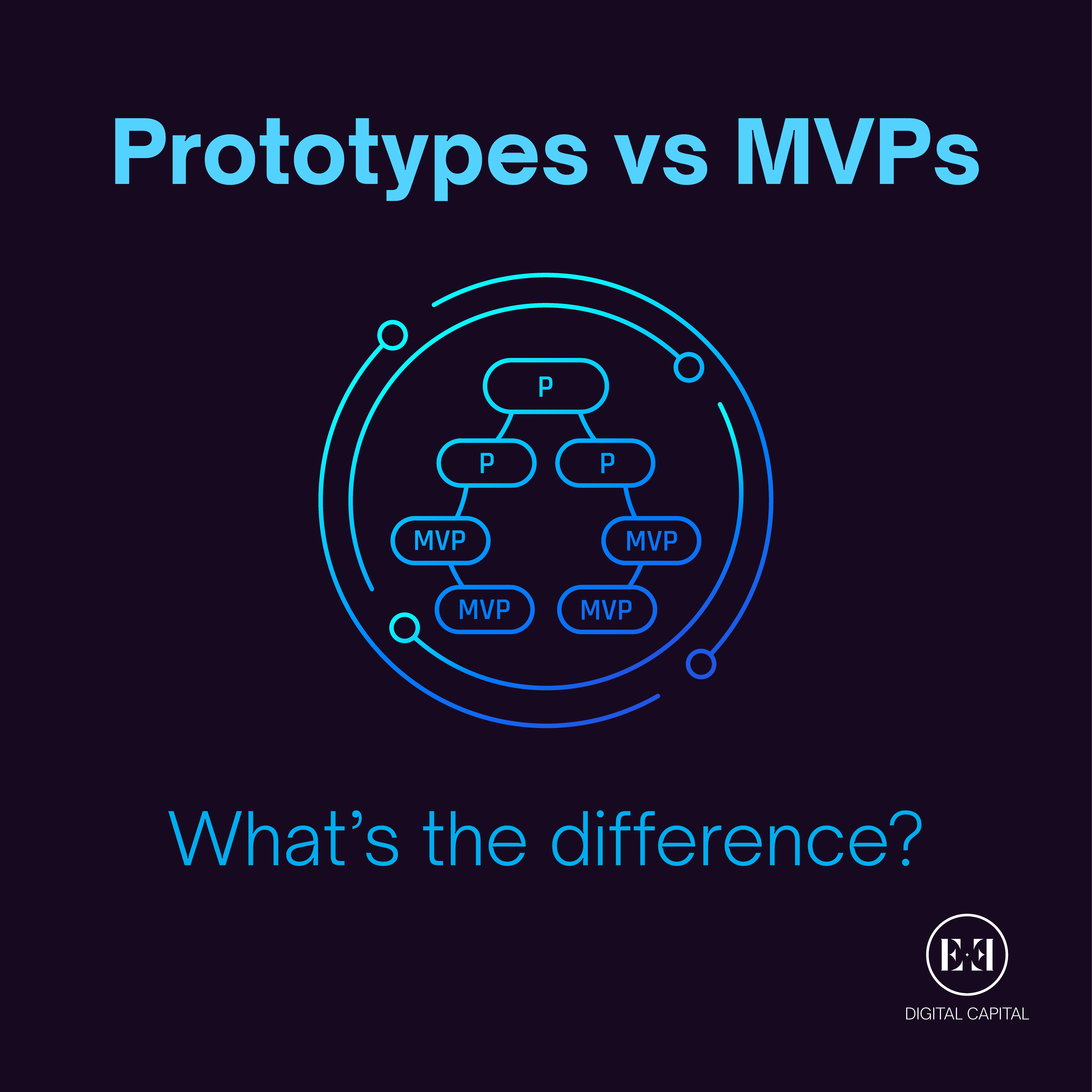
The strategic advantage is maintaining yourself at the prototype stage for as long as possible before starting to build an actual MVP. Coding to build an MVP requires significantly more effort and resources, while also being far more costly to correct when assumptions prove incorrect.
Risk Mitigation Through Validation
By extending the prototyping phase, you gain greater certainty about what customers are actually willing to pay for before committing resources to build your MVP. This approach reduces the risk of building features that do not address genuine market needs.
While there are exceptions to this approach—particularly in highly competitive markets where speed to market is critical—the need to remain cost-effective and lean remains paramount. This is especially true in the current macro-economic climate where capital efficiency is increasingly valued.
Balancing Speed and Validation
The optimal approach depends on market dynamics, competitive landscape, and resource constraints. In some cases, moving quickly to an MVP may be necessary to establish market position. However, even in these scenarios, prototyping should be used to validate core assumptions before full development.
The key is understanding that prototyping and MVP development serve different purposes: prototyping validates assumptions and reduces risk, whilst MVP development focuses on delivering value to early customers and establishing market presence. Using each tool appropriately maximises resource efficiency and venture success probability.
Prototypes Vs MVPs
Lean Validation Strategy
Develop cost-effective validation approaches using rapid prototyping to de-risk product development before committing to full builds.
Request Validation Plan