Early Stage Funding & Fits for Start-ups
We frequently receive questions about optimal timing for fundraising and what investors prioritise when evaluating early-stage ventures. The answer lies in understanding the three core fits that technology companies must achieve before becoming thriving, profitable businesses.
Many young companies make significant progress determining the first stage of Problem-Solution fit, yet struggle at the second stage. This gap often represents the difference between ventures that successfully raise capital and those that face repeated rejection.
Understanding Product-Market Fit
In fact, many companies fail because they do not reach Product-Market fit within their runway. This stage represents the critical transition from solving a problem to building a sustainable business around that solution.
Product-Market fit means having a proposition product or service that comprehensively meets the needs of a specific and narrowed customer segment. This segment should be precisely defined in terms of sector, industry, job roles, responsibilities, pains faced, and the outcomes they seek to achieve.
The focus must address the very human-centric challenges faced by the personas within that customer segment. Solutions that address technical requirements without understanding human motivations rarely achieve sustainable adoption.
Validation Indicators
Product-Market fit is found when two key conditions are met. First, there is consistent demand forming within that customer segment. You observe the same level of engagement and appetite from other customers that match your target segment analysis.
Second, that customer segment is paying for the solution, even if it is a prototype or MVP rather than a full product release. This represents the ultimate indicator of genuine market need. If customers are not yet paying, you should have very strong evidence that they would be willing to pay for the solution.
Funding Implications
With sufficient evidence of these two validation points, you will have a significantly stronger position for raising seed money and potentially graduating to growth capital. Investors prioritise ventures that have demonstrated market traction and validated customer willingness to pay.
The third stage, Business-Model fit, focuses on operational efficiency and scalability. This stage becomes increasingly relevant as ventures scale and require sophisticated operational architectures to support growth. We will explore this stage in subsequent analysis.

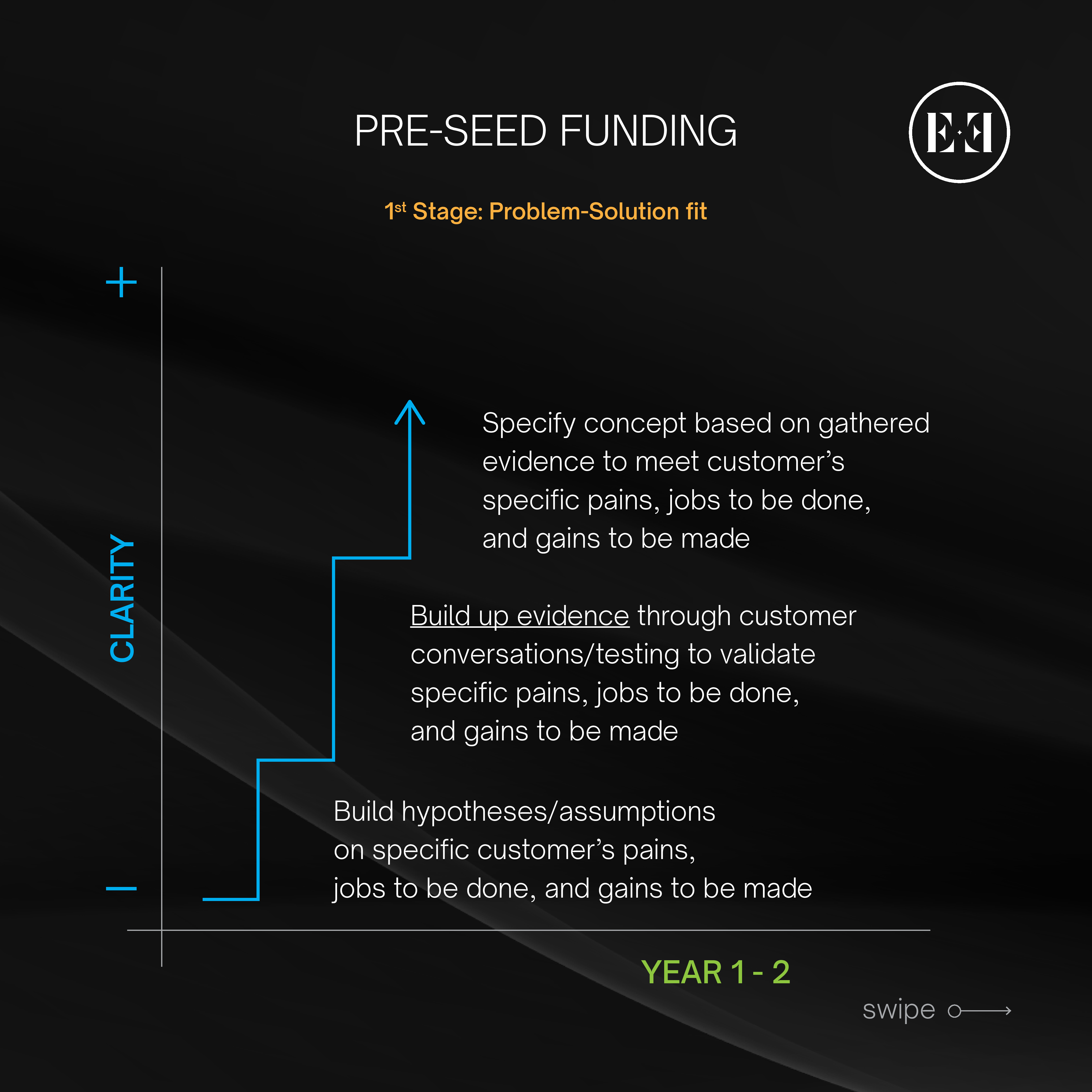
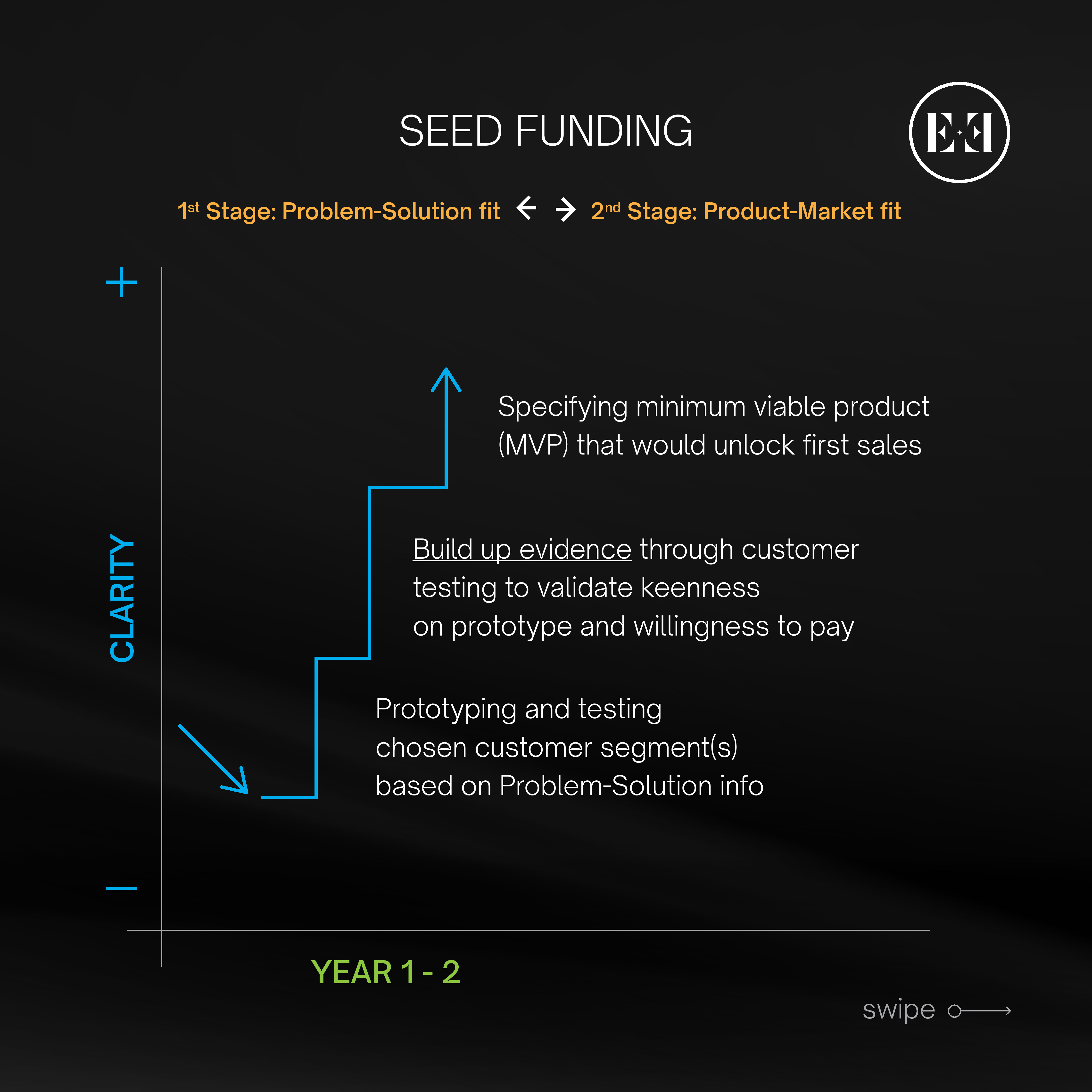
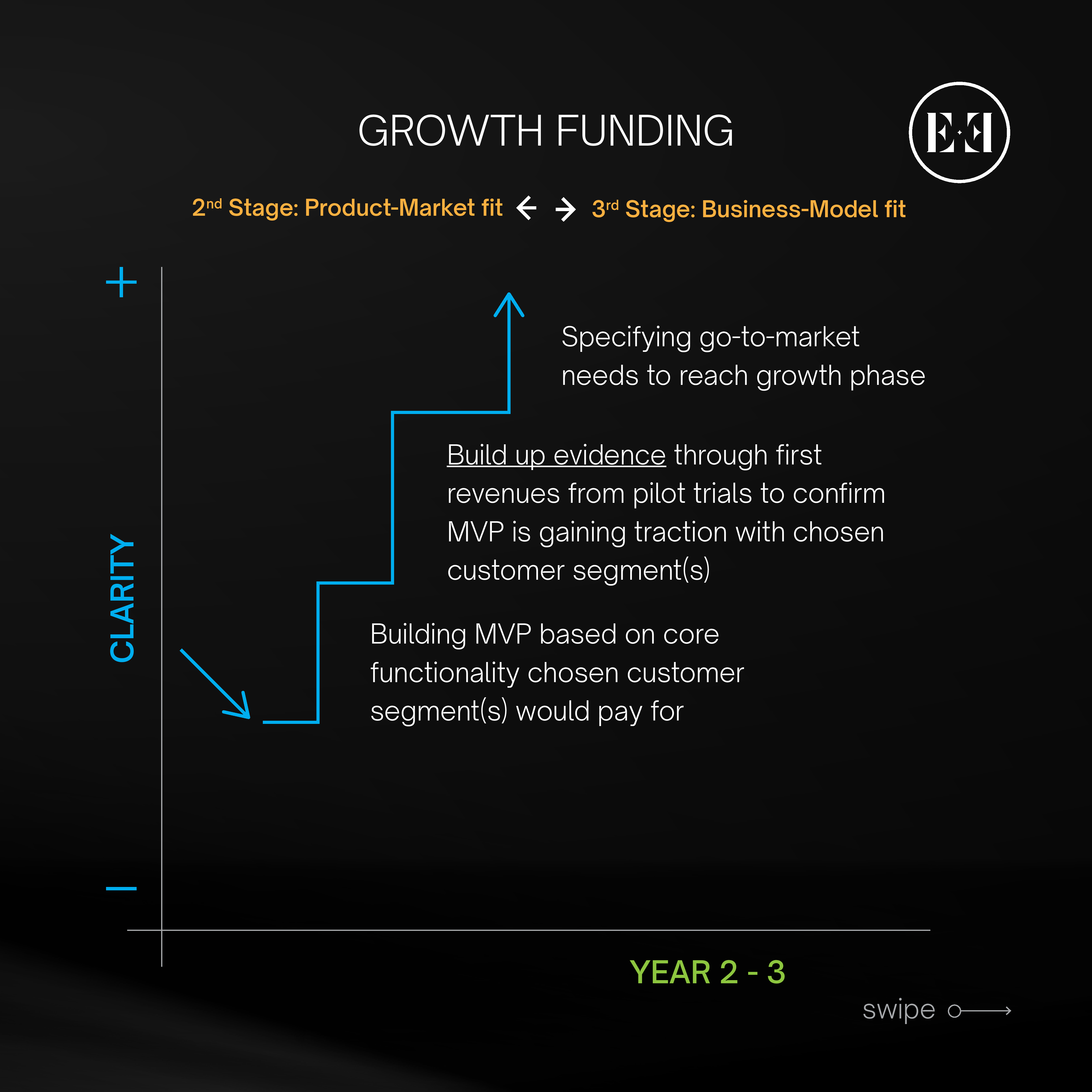
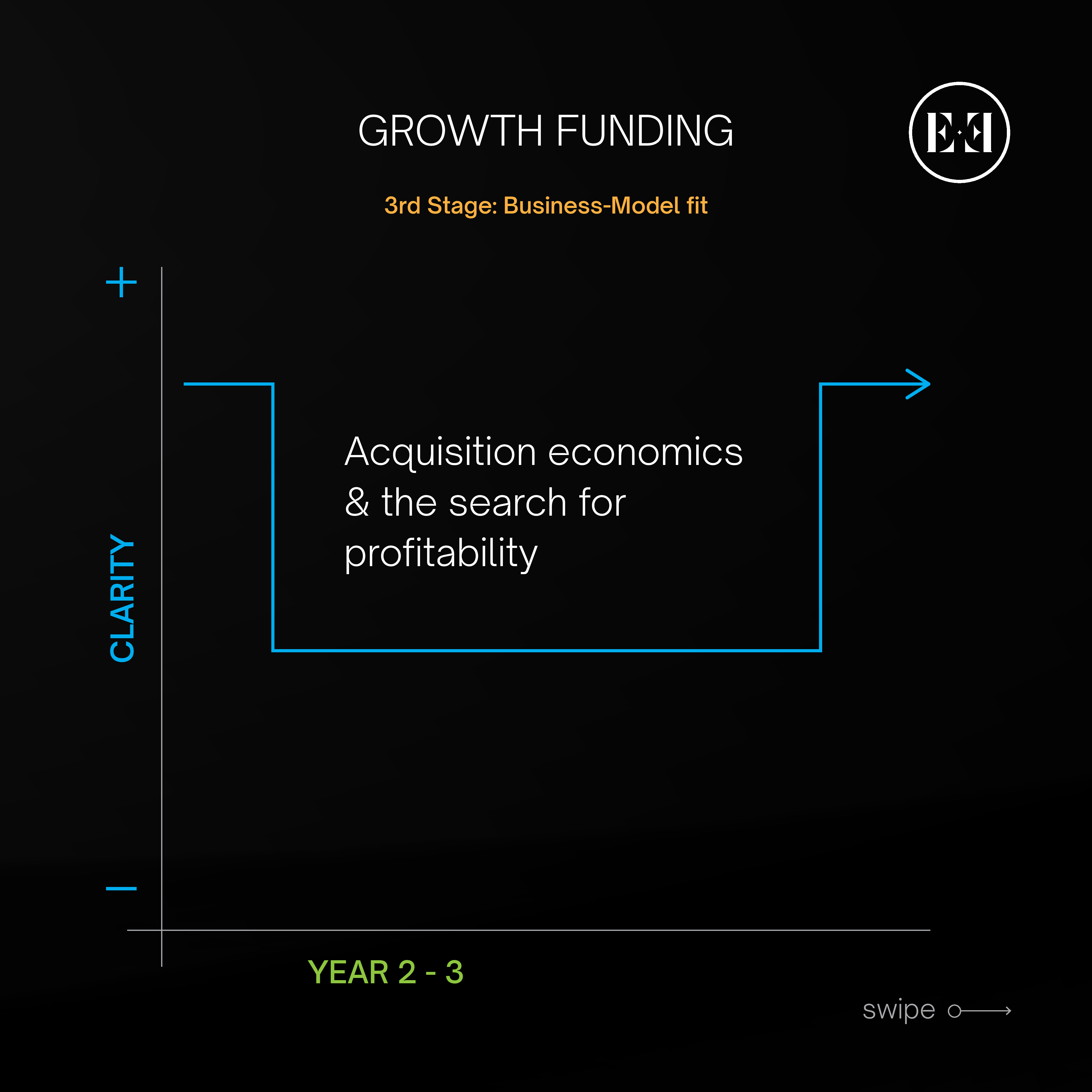
Early Stage Fits & Funding Checklist - Use arrows or swipe to navigate
Funding Readiness Assessment
Evaluate your venture's readiness for seed and growth funding through comprehensive fit analysis and investor readiness preparation.
Request Funding Review